Mikunigaoka Fuzz Home

Category

Production

22 articles

Glitch Me Human: Why AI Music Sounds Fake Until You Break It

Glitch Me Human: Why AI Music Sounds Fake Until You Break It

AI music generators are getting scary good — but something keeps giving them away. Producers are finding that the fastest way to make an algorithm sound alive is to corrupt it on purpose, feeding its pristine output through tape hiss, latency drift, and deliberate human slop until it finally stops sounding like a machine trying too hard.

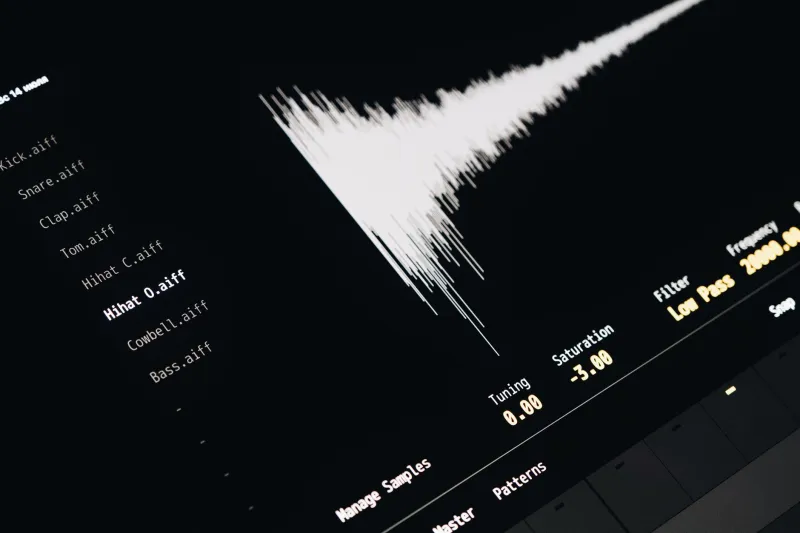
Crushed to Warmth: How City Pop Producers Are Using Bitcrushing to Fake the Past

Crushed to Warmth: How City Pop Producers Are Using Bitcrushing to Fake the Past

A new wave of producers is deliberately wrecking their digital audio to sound like a cassette left in a hot car in 1983 Tokyo. Bitcrushing and sample-rate reduction have become the go-to tools for chasing the organic imperfections of Japanese city pop — and the results are genuinely messing with how we think about nostalgia and fidelity. It turns out the fastest route to warmth is through destruction.

Happy Accidents: The Studio Screw-Ups That Quietly Rewired Pop Music

Happy Accidents: The Studio Screw-Ups That Quietly Rewired Pop Music

Some of the most iconic sounds in modern music were never planned — they were the result of a busted cable, a misfiring pedal, or a session that was about to get scrapped. Producers are increasingly chasing that same lightning-in-a-bottle chaos, and the results are all over the charts.

The Take That Broke Everything (And Became the Album)

The Take That Broke Everything (And Became the Album)

Some of the most compelling music being made right now started as a disaster. Producers are flipping the script on failure, building entire tracks around botched recordings, runaway feedback, and the weird stuff that happens when gear misbehaves. Turns out the mistake was the message all along.

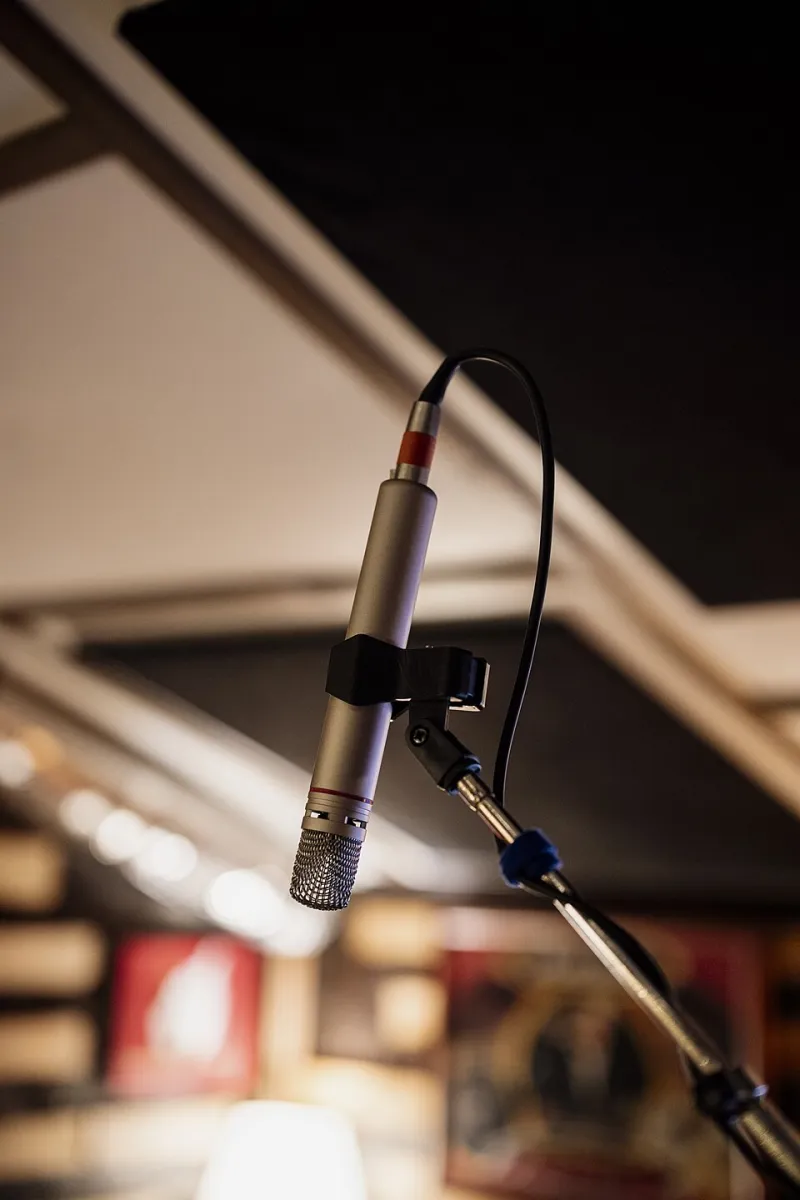
Pin the Needle: How Bedroom Producers Are Blowing Out Their Mics to Find Something Real

Pin the Needle: How Bedroom Producers Are Blowing Out Their Mics to Find Something Real

A new wave of producers is deliberately slamming their microphone inputs past the breaking point — and calling it art. From clipped vocals in indie rock to saturated room noise in experimental rap, input overload is becoming less of an accident and more of a manifesto. We dug into why destruction through capture is the most honest thing happening in music right now.

Always On: How Producers Are Mining the Hum of Modern Life for Pure Gold

Always On: How Producers Are Mining the Hum of Modern Life for Pure Gold

Your AC unit, the buzz from the fluorescent lights at the laundromat, the low drone of the highway two blocks over — producers are done ignoring all of it. They're sampling it, layering it, and building entire sonic worlds out of the involuntary soundtrack of American life.

Red Line Religion: The Producers Treating Gear Damage as a Sacred Act

Red Line Religion: The Producers Treating Gear Damage as a Sacred Act

There's a growing cult of electronic musicians who believe the sweetest sounds live just past the breaking point. They're overdriving expensive synthesizers on purpose, chasing a saturated heat that pristine digital chains can never deliver. Call it noble destruction — or just really expensive faith.

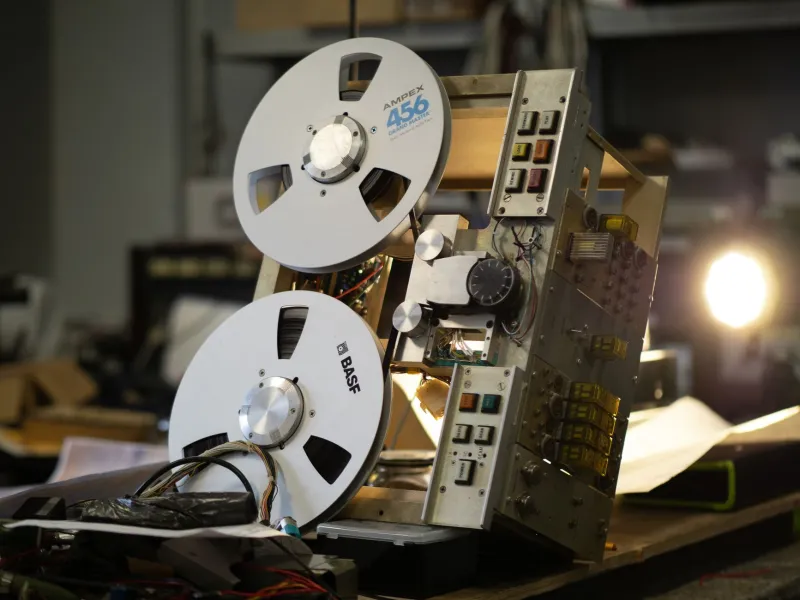
Tape Won't Die: Bedroom Producers Are Letting Cassettes Rot Their Music on Purpose

Tape Won't Die: Bedroom Producers Are Letting Cassettes Rot Their Music on Purpose

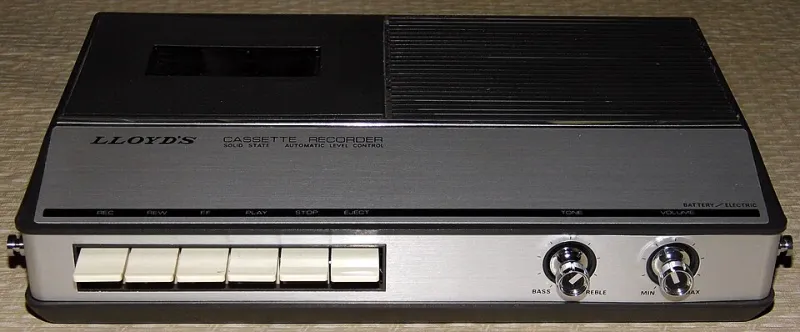
A growing wave of bedroom producers isn't just tolerating cassette tape's natural deterioration — they're chasing it. Dropouts, saturation, and the slow magnetic decay of analog tape have become some of the most sought-after textures in indie electronic and bedroom pop. Here's why a format most people assumed was dead is now a creative weapon.

Speaker Killer: Inside the Bass Arms Race That's Turning Sound Systems Into Casualties

Speaker Killer: Inside the Bass Arms Race That's Turning Sound Systems Into Casualties

There's a school of bass production where the goal isn't a clean low end — it's the moment the speaker physically can't keep up. Dubstep architects and phonk producers have been quietly engineering that moment for years, and the results are reshaping what we expect from low-frequency sound design. We got into the weeds with engineers and producers to find out what actually happens when bass becomes a weapon.

Grit Is the Point: How Lo-Fi Degradation Became Hip-Hop's Most Coveted Flex

Grit Is the Point: How Lo-Fi Degradation Became Hip-Hop's Most Coveted Flex

Something shifted in hip-hop when producers stopped treating distortion like a mistake and started treating it like a signature. From bedroom beatmakers chopping dusty samples to Playboi Carti's whole aesthetic universe, lo-fi degradation has quietly become one of the most honest — and most imitated — sounds in modern rap. Here's how broken audio went from a limitation to a statement.