Late on Purpose: How Producers Are Turning Lag Into the Loudest Thing in the Room
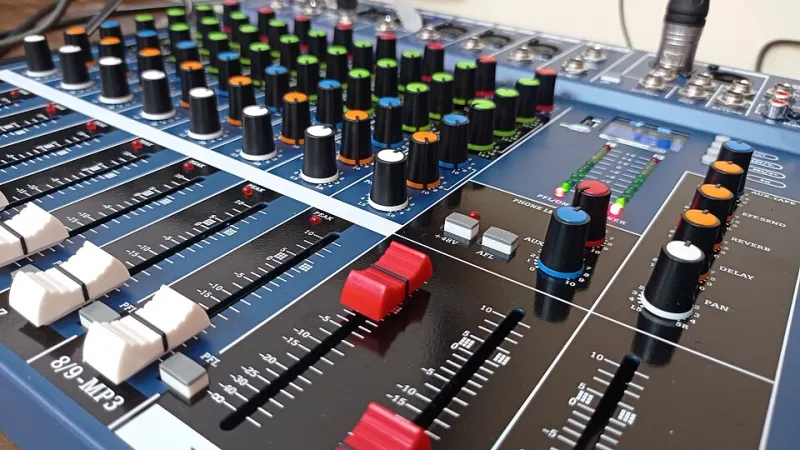
Photo: NahidHossain, CC BY-SA 4.0, via Wikimedia Commons
There's a moment in a lot of electronic music sessions — usually somewhere around 2 a.m., when the coffee's gone cold and the plugin chain is getting a little out of hand — where everything just drifts. A synth line slips behind the grid. A sample hits a beat too late. Most producers panic. They check their buffer settings, restart the DAW, maybe throw their headphones across the room.
But some of them lean in.
A small but increasingly influential corner of the experimental music world has decided that latency — the delay introduced by digital processing, overloaded CPUs, and signal chain bottlenecks — isn't a problem to fix. It's a texture to sculpt. And honestly? The results are kind of stunning.
What Even Is Latency, and Why Does It Usually Matter?
For the uninitiated: latency is the time gap between when a sound is triggered and when you actually hear it. In most production contexts, it's measured in milliseconds and treated like a bug. Even a 20ms delay between hitting a key and hearing the note can mess with your feel, throw off overdubs, and make live performance feel like playing through wet concrete.
Audio engineers have spent decades engineering latency down to near-zero. Dedicated audio interfaces, optimized drivers, low buffer sizes — the whole infrastructure of modern music production exists largely to make latency invisible.
Which is exactly why some producers find it so interesting to make it visible again.
The Drift Aesthetic
Call it drift music, lag-core, or just experimental electronics — the genre tag doesn't matter much. What matters is the approach: producers deliberately introducing processing delays, stacking heavy plugin chains to bog down their CPU, or routing audio through deliberately mismatched hardware to create timing inconsistencies that wouldn't exist in a clean rig.
The sonic result is something between a glitch record and a dub mix that's been left out in the rain. Rhythms that feel like they're chasing themselves. Melodies that arrive slightly out of phase with where your brain expects them. It creates this unsettling, hypnotic quality — like music that exists just slightly sideways from reality.
For producers who grew up on glitch artists like Oval and Alva Noto, or who spent formative hours with the warped tape sounds of classic Japanese noise artists, this aesthetic hits a very specific nerve. There's something deeply familiar about it, even when it's disorienting.
Live Performance as Controlled Chaos
Where this gets really interesting is in live settings. A handful of electronic artists performing on the US circuit right now are building latency directly into their performance rigs — not as an accident waiting to happen, but as a genuine compositional element.
The idea is that the lag becomes a kind of second performer. You play a note, and then the system responds to that note a beat or two later, creating a feedback loop of cause and effect that the artist has to navigate in real time. It's less like playing an instrument and more like having a conversation with a very slow, very strange entity that lives inside your laptop.
Some performers use feedback loops through deliberately underpowered processors. Others stack so many real-time effects that their DAW can barely keep up, letting the system's struggle become part of the performance. A few have gone even further, using networked setups where audio has to travel across actual physical distances before returning — introducing literal, speed-of-light latency into the chain.
The performances can be tense to watch, in the best possible way. You're never entirely sure what's intentional and what's the machine failing. That ambiguity is kind of the whole point.
Japanese Sound Design and the Aesthetics of Imperfection
It's worth noting that this obsession with temporal imperfection has a pretty deep lineage in Japanese experimental sound culture. The concept of ma — the Japanese idea of meaningful negative space, of the pause and interval being as important as the note itself — maps onto this stuff in ways that feel genuinely illuminating.
Where Western music production has historically chased tightness and precision, a lot of Japanese experimental and noise work has treated the gap, the smear, the delay as compositional material. Artists like Merzbow built entire careers on sounds that Western listeners initially couldn't figure out how to categorize. The fuzz and the distortion weren't decorative — they were structural.
The current wave of latency-forward producers is, consciously or not, drawing from that same well. The millisecond gap isn't an error. It's the ma of digital music.
Gear Choices and the Art of Intentional Bottlenecking
So how do you actually do this? The technical approaches vary pretty wildly.
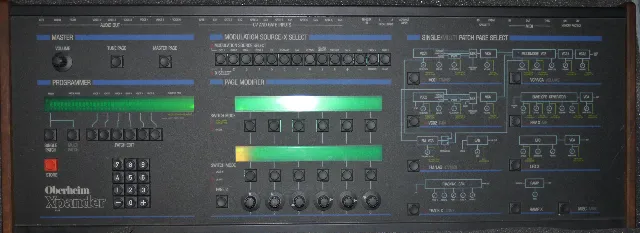
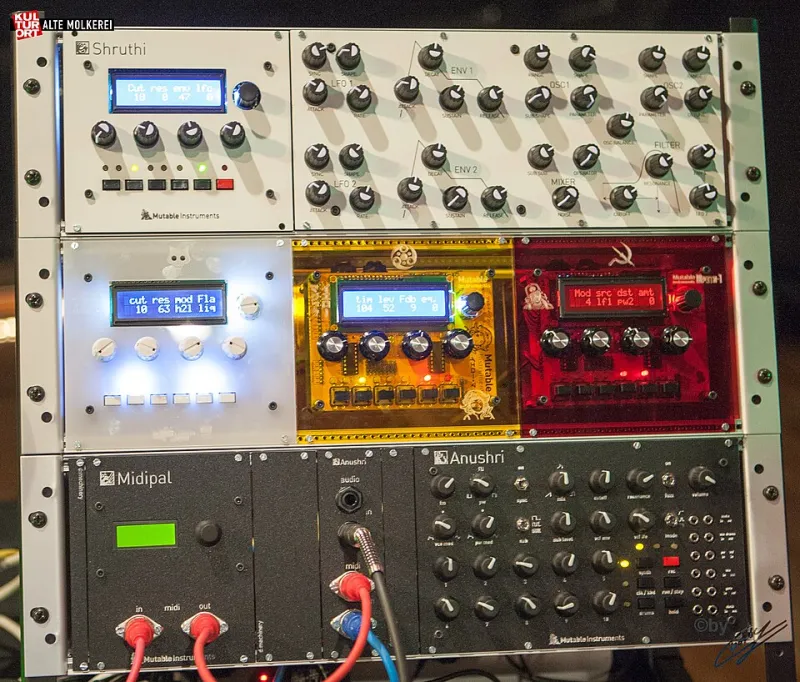
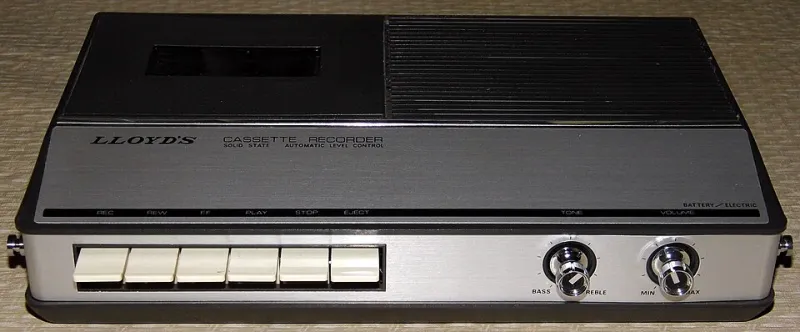
Some producers work with deliberately old or underpowered hardware — running modern software on machines that can barely handle it, so that processing delays become audible. Others use plugin chains so deep and tangled that latency compensation breaks down and things start arriving out of order. A few work with hardware modular setups where signal routing introduces natural timing drift.
There's also a growing interest in networked audio — routing sound through multiple devices over WiFi or ethernet, where packet timing adds unpredictable micro-delays. It's basically treating network jitter the way a jazz musician treats swing: something to play with rather than eliminate.
The common thread is that all of these approaches treat the technical limitations of the gear as a collaborator rather than an obstacle. You're not fighting the machine. You're listening to what it wants to do when it's stressed, and building music around that.
Why This Matters Beyond the Experimental Bubble
Here's the thing about sounds that start in experimental circles: they have a habit of leaking. The blown-out 808s that once sounded like broken equipment are now the backbone of mainstream trap. The warped tape aesthetics that lo-fi producers were messing with in their bedrooms are now everywhere from Spotify playlists to coffee shop soundtracks.
Latency-as-instrument is still pretty far out on the fringe. But the underlying instinct — that imperfection is interesting, that technical failure can be beautiful, that the grid is a suggestion rather than a law — is something a lot of listeners are already primed for.
We've spent the last decade training our ears on compression artifacts, streaming glitches, and the particular sonic texture of music that's been squeezed through a phone speaker. The idea that a record might sound like it's running just slightly behind itself? That might not be as weird to mainstream ears as it sounds.
The Millisecond as Medium
What makes this whole movement genuinely compelling, beyond the technical novelty, is the philosophical shift it represents. Most of modern music production is about control — about getting sounds to do exactly what you want, exactly when you want it. The latency producers are doing the opposite. They're ceding control to the system, letting the machine's limitations shape the music.
There's something almost meditative about that approach. Something that resonates, honestly, with the way a lot of people feel about technology right now — like the best relationship you can have with it is one where you stop trying to dominate it and start paying attention to what it's telling you.
The lag is the message. And some people are finally starting to listen.