Pin the Needle: How Bedroom Producers Are Blowing Out Their Mics to Find Something Real
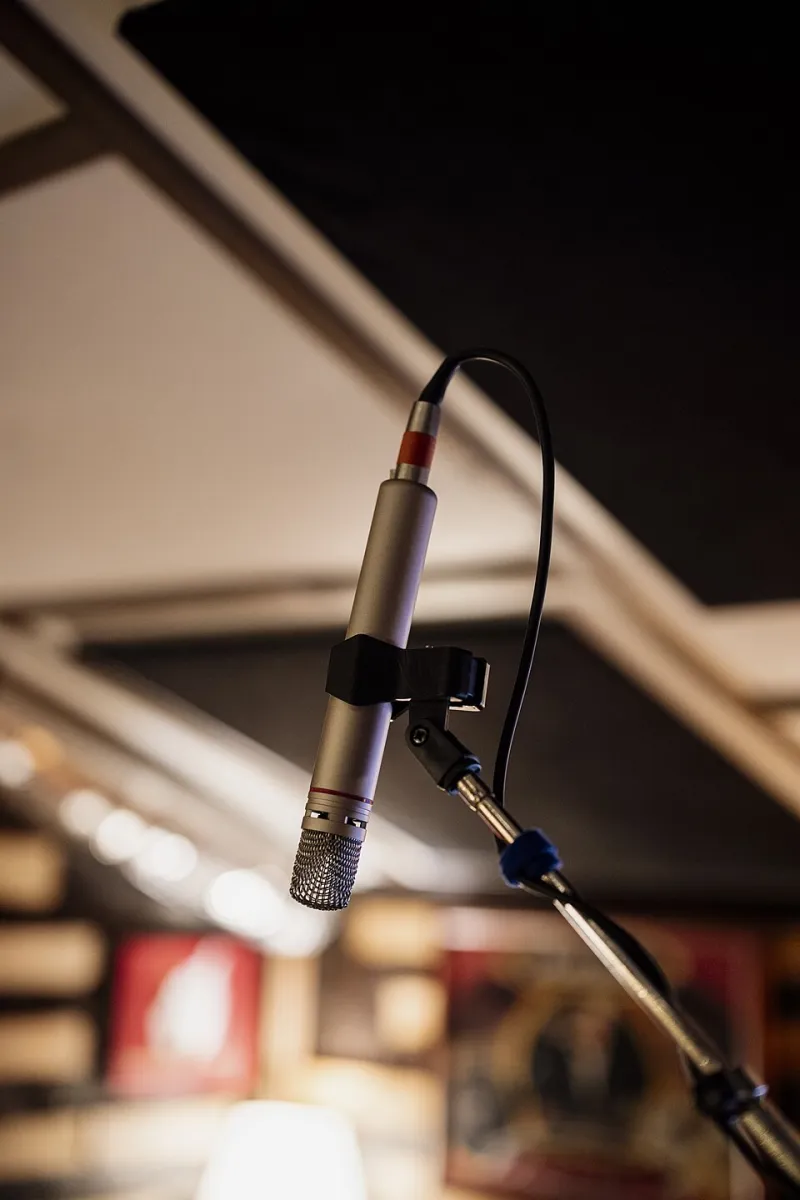
Photo: Shixart1985, CC BY 2.0, via Wikimedia Commons
There's a moment every recording engineer is trained to fear. The input meter slams into the red, the waveform flatlines into a brutal square, and the audio starts doing something it was never supposed to do. For most of the industry, that moment means stop, back up, and fix the gain staging. For a growing pocket of bedroom producers across the US, that moment is exactly where they want to be.
They're not doing it by accident. They're chasing it.
The Red Zone as a Creative Address
Input saturation — what happens when a microphone signal overwhelms a preamp or audio interface beyond its rated capacity — has traditionally been treated like a house fire. You put it out, you prevent it next time, you move on. But the producers pushing this approach aren't interested in prevention. They're interested in what the distortion says.
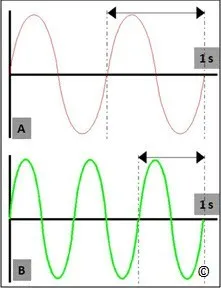
When a vocal clips at the input stage, something strange happens to the harmonics. The clean sine waves of a human voice get sheared into something harder, more angular, almost mechanical. It's not the warm tape saturation that lo-fi producers have been chasing for years. It's rougher than that. More violent. It sounds like someone trying to push through a wall and almost making it.
That quality — the sense of effort, of pressure, of something straining past its own limits — is exactly what a certain strain of indie rock, alternative rap, and experimental pop is hungry for right now.
Mic Preamps as Instruments, Not Utilities
The traditional view of a mic preamp is that it's invisible infrastructure. Its job is to boost a signal cleanly and then get out of the way. But producers working in this space are treating preamps the way a guitarist treats a tube amp cranked past noon — as something with its own voice, its own personality, its own way of breaking that becomes part of the music.
A cheap USB audio interface running a condenser mic at maximum gain doesn't just distort. It distorts specifically, in ways tied to its particular circuit design, its power supply quirks, its age. Two interfaces from different manufacturers will destroy a vocal in completely different ways. Producers in this lane are learning to read those differences and choose accordingly — picking gear not for its fidelity but for the specific flavor of its failure.
This is, in a weird way, deeply connected to the Japanese concept of wabi-sabi — finding beauty in imperfection and transience. The broken thing isn't a lesser version of the whole thing. It's its own thing, with its own integrity. Mikunigaoka Fuzz has been tracking this thread for a while now, and the mic overload movement is one of its clearest recent expressions.
What It Sounds Like in Practice
In indie rock, you're hearing it on vocals that sound like they were recorded in a panic — too close to the mic, too loud in the room, with the preamp nowhere near ready for what it was asked to do. The result is a kind of intimacy that polished recording can't fake. The distortion becomes evidence of proximity, of urgency, of someone who had something to say and said it too loud.
In alternative rap, it shows up as room ambience pushed past the point of usefulness. Instead of a clean reverb tail, you get a smeared, overdriven hiss that sits behind the vocals like something alive. Producers will mic a room with a cheap dynamic mic, crank the gain, and record the ambient noise of the space — traffic outside, HVAC hum, whatever's there — until it clips into something textural and strange. That texture then becomes the bed the whole track sleeps in.
In experimental pop, the approach gets more surgical. Producers are using intentional input overload on specific syllables, specific consonants, specific moments in a phrase. The 't' in a word cracks into static. The breath between lines gets captured at full clip and becomes a rhythmic element. The mic isn't just capturing the performance — it's participating in it.
The Philosophical Case for Breaking It
There's a deeper argument underneath all of this, and it's worth taking seriously. Clean recording, the argument goes, is a kind of lie. It presents the voice as a pure signal, separated from its physical context, stripped of the friction and effort that producing it actually involves. Input saturation refuses that separation. It insists that the signal and the act of capturing the signal are part of the same event.
When a vocal clips the input, what you're hearing isn't just the voice — you're hearing the voice and the room and the microphone and the preamp and the interface and every imperfection in that chain, all at once, collapsed into a single sound. That's not a degraded version of the performance. It's a fuller record of it.
This is the kind of thinking that gets dismissed as gear-head mysticism until you actually hear what it produces. Then it starts to make a weird kind of sense.
The Gear Situation (or Lack of One)
One thing worth noting: this aesthetic is genuinely accessible in a way that a lot of production techniques aren't. You don't need boutique outboard gear or a vintage console to overload a mic input. A thirty-dollar dynamic mic and the cheapest audio interface on the market will do the job. In some cases, the cheaper the gear, the more interesting the distortion.
This is part of why the technique is spreading through the bedroom producer community specifically. It requires almost nothing to try, and the results are immediate. You don't have to understand signal flow or frequency response or harmonic content. You just have to be willing to push the gain past where you've been told to stop and listen to what comes out.
That accessibility matters. It means the technique is being explored by people across a huge range of contexts — different rooms, different mics, different interfaces, different musical traditions — and the results are genuinely varied. There's no single sound here. There's a shared willingness to let the equipment respond to pressure, and then a thousand different outcomes depending on what the equipment is and who's holding it.
Where It Goes From Here
Input saturation as a deliberate practice is still pretty underground. You're not going to hear it called out by name in a mainstream production tutorial anytime soon. But the sounds it produces are already showing up in places that reach wide audiences — on Spotify playlists, in sync placements, in the background of TikTok clips that rack up millions of views without anyone knowing why they feel so raw.
That's usually how it goes with techniques that start in the margins. The aesthetic spreads before the vocabulary does. People hear something and respond to it before they can name what they're responding to.
What they're responding to, in this case, is the sound of something pushed past its limits and surviving — changed, distorted, a little wrecked, but still there. Which, honestly, is a pretty good description of a lot of music worth caring about.